Tech explainer
Why modern GM transmissions have no speedometer cable, and your options
The vehicle speed sensor replaced the cable for a reason. Here's what it does, and three ways to get a working speedometer in an older car.
Short answer
Electronically controlled GM overdrives like the 4L60E and 4L80E use a vehicle speed sensor: a toothed reluctor on the output shaft passes a magnetic sensor, and the computer uses that pulse signal to schedule shifts. With no cable drive, an older car's speedometer needs an electronic gauge, a signal-to-cable converter, or a mechanical drive added to the transmission.
Why don't the 4L60E and 4L80E have a speedometer cable?
Because the computer needs to know road speed, not just the gauge. The 4L60E is the electronically shifted version of the 700R4, and on it the vehicle speed sensor (VSS) is the primary feedback sensor that feeds the PCM the data it uses to make shift decisions (Novak). Once a sensor was producing speed data for the computer anyway, the vehicles these transmissions came in generally read speed electronically as well, and the cable drive went away.
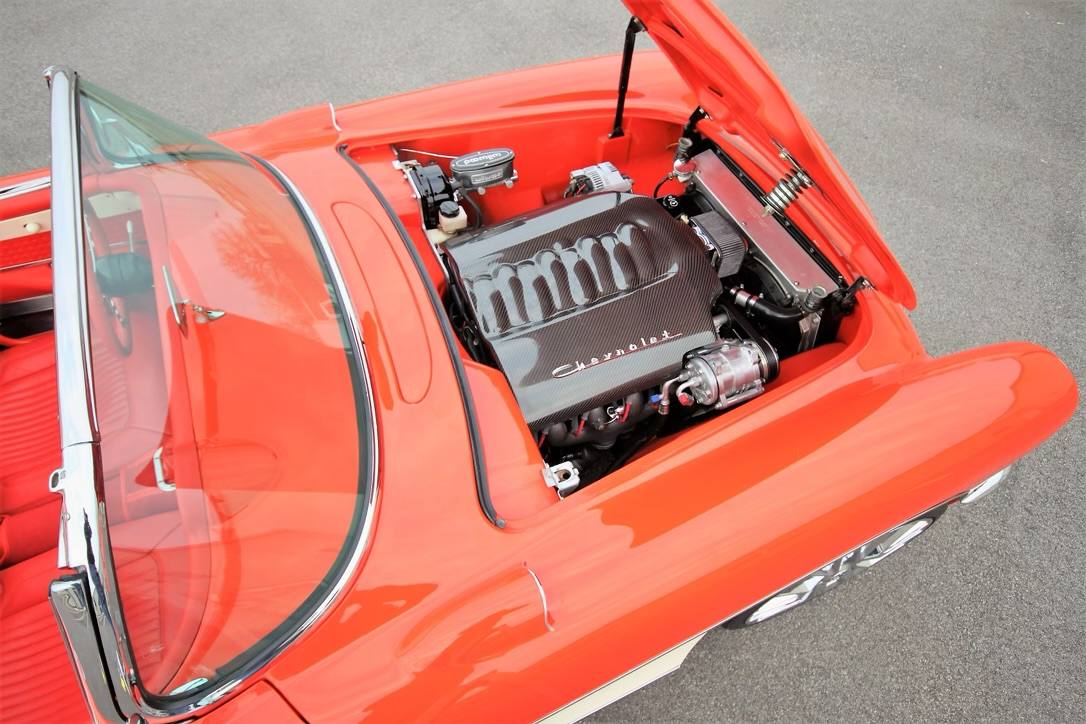
That's fine in the donor truck. In a 1960s car with a cable-driven speedometer, it means the gauge has nothing to connect to.
How does a vehicle speed sensor work?
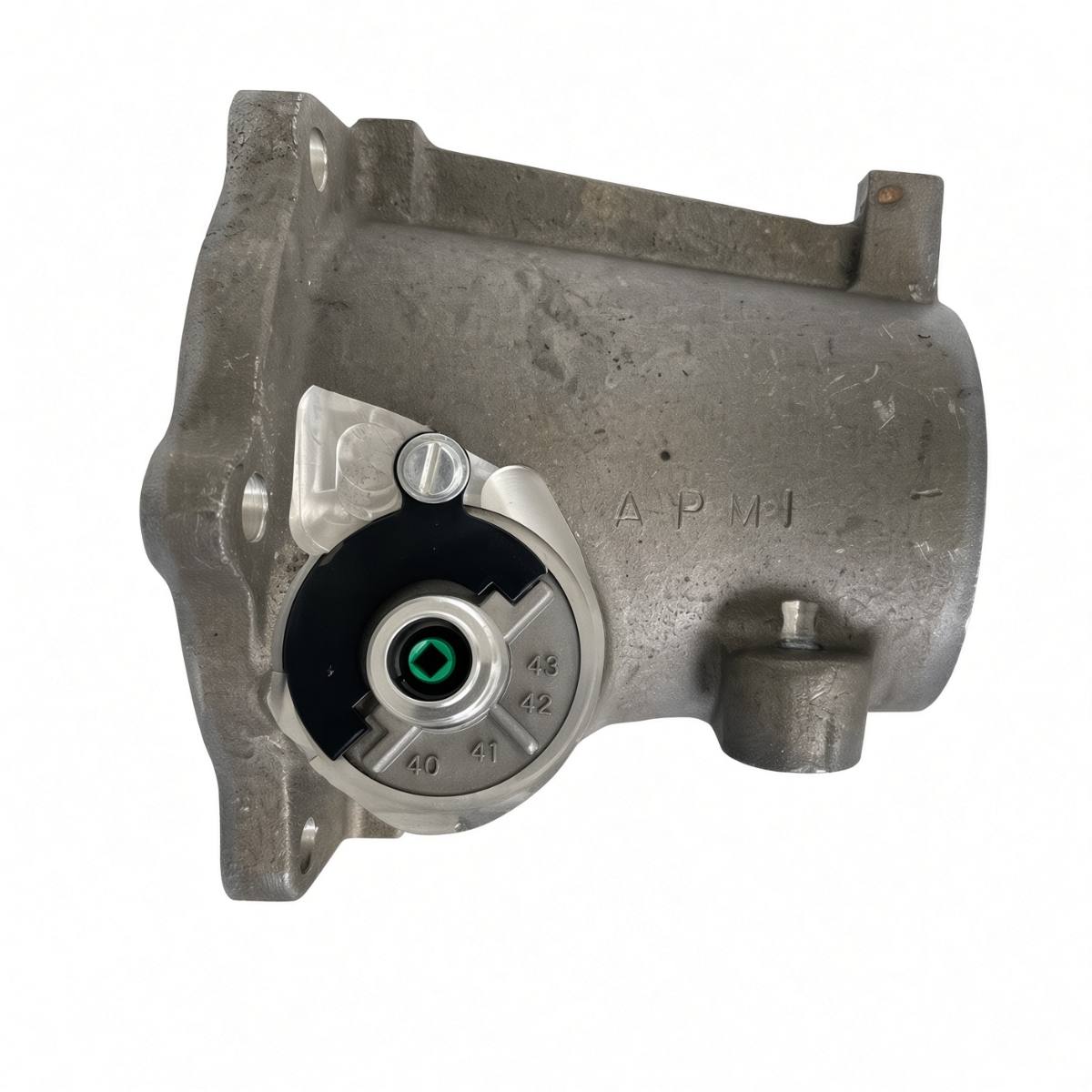
A toothed ring, the reluctor, rides on the transmission output shaft. As each tooth passes the magnetic sensor in the housing, the sensor produces a pulse. More output-shaft speed means more pulses per second, and the computer turns that into road speed for shift timing and torque converter lockup. Our tail housing kits use a 40-tooth reluctor wheel for exactly this reason: the VSS keeps doing its job.
Can I just delete the VSS?
Not if a computer is shifting the transmission. The 4L60E and 4L80E need a controller, either a factory GM PCM or an aftermarket unit with transmission control (LSSwapBible), and it relies on the speed signal. Whatever you do for the speedometer, the VSS stays.
What are my speedometer options with an electronic transmission?
| Option | How it works | What changes in the car |
|---|---|---|
| Electronic speedometer gauge | An aftermarket gauge reads the VSS (or GPS) signal directly. | The original speedometer comes out. The dash no longer looks stock. |
| Signal-to-cable converter | A powered box reads the VSS or GPS signal and uses a motor to spin the original speedometer cable. Examples: Dakota Digital ECD-200BT, Speedhut SPEEDBOX. | The gauge stays. You add a module, power and wiring, and calibrate it. |
| Mechanical drive on the transmission | A drive gear on the output shaft turns a driven gear and the cable, like the original transmission did. The VSS keeps working. | The gauge, cable and harness stay. Gears are cut to your tire and rear gear. |
How does a mechanical drive kit keep both the cable and the VSS?
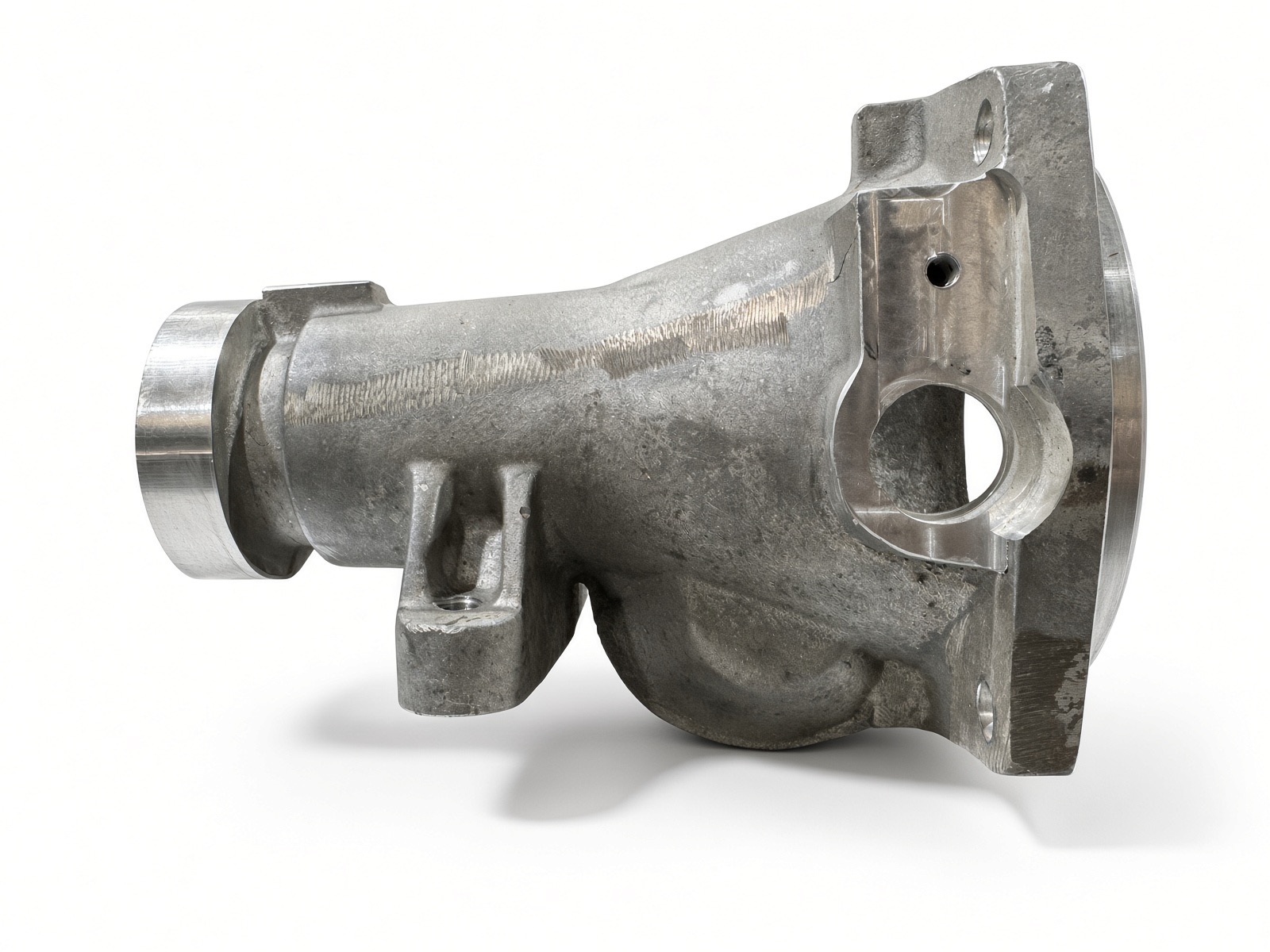
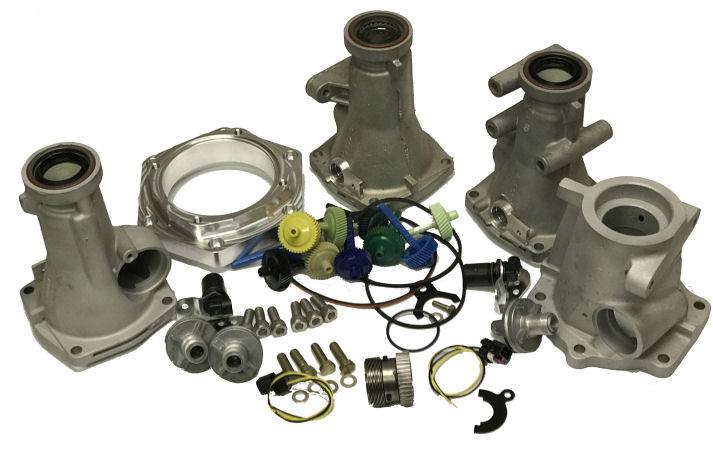
On our kits, one assembly does both jobs. In the 1998-and-newer 4L60E speed kit, the reluctor/drive gear bushing assembly drives the mechanical speedometer and operates the VSS sensor, and a new mechanical speedometer sleeve with a new gear carries the cable. A machined billet adapter on the stock 6-bolt case lets a standard 4-bolt tail housing bolt up. It's a 30-minute bolt-on.
For a full housing, the 4L60E tail housing kit and 4L80E tail housing kit pair the 40-tooth reluctor wheel with a 15-tooth speedometer drive gear. The 4L80E speedometer kit uses all new GM parts and does not interfere with any stock electrical configuration.
Which option should I pick?
If the goal is a stock-looking interior, keep the original gauge. Between the two ways to do that, a converter adds electronics behind the dash, while a mechanical drive moves the job back to the transmission, where it was in the first place. If you're building a sleeper, that's usually the point. Start with the mechanical speedometer guide, then work out your gears with the calculator.
Frequently asked questions
Does a 4L60E have a speedometer cable?
No. The 4L60E reports road speed through a vehicle speed sensor and was built without a cable drive. A mechanical drive kit or machined tail housing can add one back.
What does the VSS do on a 4L60E or 4L80E?
The vehicle speed sensor reads a toothed reluctor on the output shaft and sends a pulse signal to the computer, which uses it as primary feedback for shift decisions and torque converter lockup.
Can I remove the VSS if I use a mechanical speedometer?
Not while a computer is shifting the transmission. The PCM or aftermarket controller relies on the speed signal, which is why Southwest Fabrication's tail housing kits and 4L60E speed kit retain the VSS.
How do I run an old cable speedometer from a VSS signal?
Either add a signal-to-cable converter, a powered module that spins the cable from the VSS or GPS signal, or add a mechanical drive gear to the transmission so the cable is turned directly by the output shaft.
Talk to the shop
Every housing and speed kit is machined in Caddo Mills and ships with gears cut to your tire diameter and rear axle ratio. Questions about your combination? Call 903-527-2006, Monday to Friday, 7am–3pm Central, or email [email protected].
Shop the kitsGear calculatorSources
- Novak: The GM 4L60-E (late style) transmission guide
- LSSwapBible: LS swap transmissions compared
- Dakota Digital: ECD-200BT electronic signal to mechanical cable drive adaptor
- Speedhut: SPEEDBOX GPS/VSS to mechanical drive converter
Kit details come from Southwest Fabrication's own product listings. Outside technical figures are linked above; check them against your exact parts.